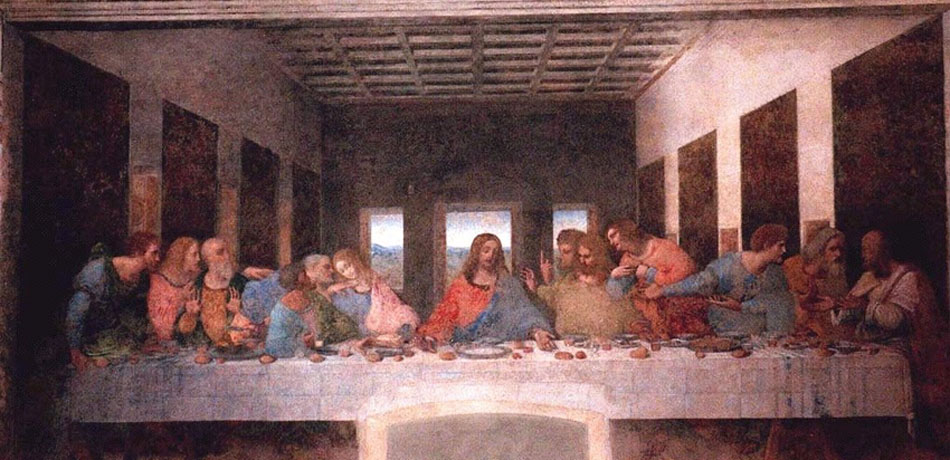
In Medieval music, we heard unaccompanied voices singing one free-flowing melody, highlighting the meaning of the words of the prayer. This is called monophonic music (from the Greek for “one-sound”) to indicate that one melody line is sung by all the singers.
In Renaissance music, we heard unaccompanied voices singing several independent melodies at the same time, frequently singing different syllables at the same time, overlapping musically and textually. This is called polyphonic music (from the Greek for “many-sounds”) to indicate that many melody lines are sung simultaneously.
In Baroque music, we hear that accompanied voices (for musical instruments and instrumental writing have developed considerably by this time) blending together in great chordal sounds. This is called homophonic music (from the Greek for “same-sound”) to indicate that ( whether the singers are overlapping syllables in the old polyphonic style or singing the same syllables simultaneously at different levels of pitch in more clearly homophonic style) what controls all the music entirely – both vocal music and instrumental music – is the concept of blending together, making harmonies. The music is homophonic because it is based on chords and chord progressions. Virtually all music in Western Civilization has continued along in that once-new Baroque ideal of homophony to the present day, from homophonic music of the largest symphony orchestra to the homophonic music of the smallest popular singing group.
The Baroque “Requiem” by Jean Gilles (1669-1705) begins with the very same Introit (or Entrance Song) text as did the Requiem Masses we have experienced in Medieval chant and Renaissance polyphony. ‘Requiem aeternarn dons eis, Domine, et lux perpetua luceat eis …. Eternal rest grant unto them, O Lord, and let perpetual light shine upon them…’. But there are a couple of surprises in store for us here. First of all, we visit a very long time before we hear the first syllable sung. Second of all when, at long last, we do hear the text sung, we hear it sung by only one operatic singer. The Baroque Era is also the time when opera begins and flourishes. Solo singing of highly embellished, emotional, dramatic music is all the rage.
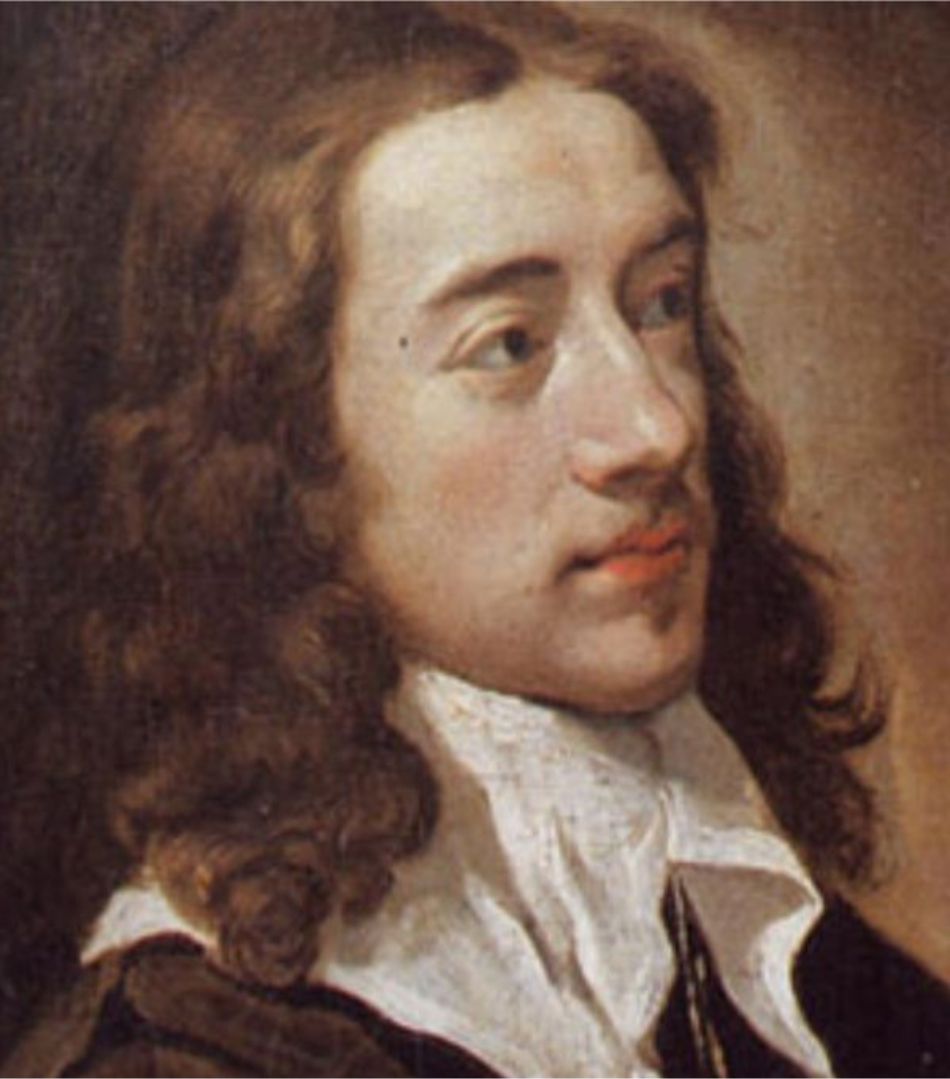
The Introit of Gilles’ ‘Requiem” begins with an instrumental introduction that is magnificently regal. And, as a matter of fact, this “Requiem” was used at the obsequies of Rameau in 1764 and at a service for the departed King Louis XV in 1774. Timpani announce the start of a royal procession off in the distance. Their solo calls are softly played but rhythmically (oo.oo) active. The orchestral soli (a mixed group of select instrumentalists) enter, followed by the tntti (the entire orchestral ensemble) in obvious concertato style (alternating back and forth from the small group to the large).
A tenor soloist begins to sing the Introit with a typically Baroque melody, highly ornate and embellished with a multiplicity of notes. We hear both Italian lyricism and French grace. “Requiem aeternam,” the tenor sings, “dons eis, Domine.” And the timpani continue their majestic figure throughout his song. Then trumpets enter even more majestically, surrounded by driving strings, as soprano and bass soloists begin singing “Et lux perpetua luceat eis,” which is repeated fugally (a melodic motif runs from one voice group to another) by the SATB (soprano-alto-tenor-bass) chorus.
The soprano solist sings the psalm verse, “Te decet hymnus Deus in Sion… It is right to sing you a hymn, O Lord, in Sion” accompanied by recorder and basso continuo (harpsichord and cello). The orchestra plays the beautiful melody for “et tibi reddetur votum in Jerusalem… and a vow shall be repaid to you in Jerusalem” before it is sung by bass and soprano soloists.
The final section of the Introit is scored for timpani and chorus with distant echoes of French horns. It is a movingly dramatic conclusion and Gilles chooses not to repeat the Introit antiphon, “Requiem aeternam,” as is required liturgically. Purely musical considerations obviously supercede textual and liturgical considerations in Baroque composition. Gilles’ “Requiem” is, however, no less prayerfully affective for that.
Nor are the three much more famous, great, late Baroque choruses to which we next turn our attention. George Frederick Handel (1685-1759) and Johann Sebastian Bach (1685-1750) are the two toweringly monumental composers who bring the Baroque Era in music to its culmination.
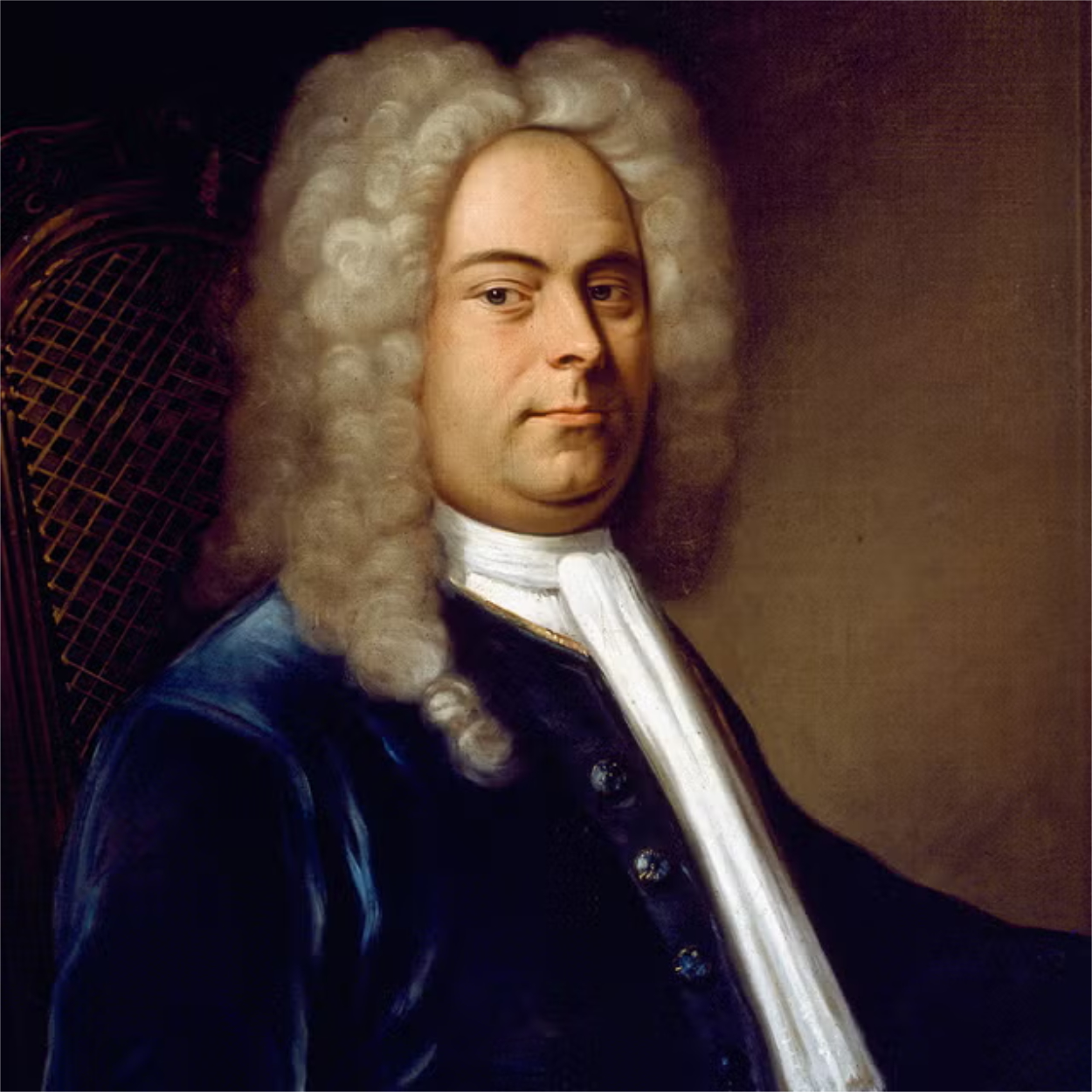
Handel wrote his great Oratorio, “Messiah,” in a feverish rapture in only 21 days. He composed and wrote out all the music for the orchestra and instrumental soloists, all the music for the SATE chorus and all the music for the Soprano, Alto, Tenor and Bass solists in just 21 days’. After he had written the “Hallelujah Chorus,” we are told, Handel came out of his room weeping and said that he had just experienced the heavens opening and angels singing. The King of England must have agreed. George the First of England was so moved by this chorus when he first heard it, that he rose to his feet out of respect for the music. And when the king stood, everyone in the audience stood. Amazingly, in a world in which audiences are not usually so active, this interesting ritual is still observed today in concert halls throughout the world. When the “Hallelujah Chorus” begins, the entire audience stands. No other music in all the world – except perhaps for national anthems at sporting events – evokes this response.
The word Alleluia (in Hebrew) or Hallelujah (in German) means “Praise Yahweh… Praise God.” The SATB chorus repeats the word over and over again, powerfully, rhythmically, in homophonic style, that is, all four voice groups singing the same syllables at the same time in great block chords. “Hallelujah! Hallelujah! Hallelujah!” they sing, “for the Lord God Omnipotent reigneth. Hallelujah!” Then voices overlap different words of that phrase delightfully in polyphonic style. Then, again in hompphonic style, the four voice groups darken to describe “The Kingdom of this world” and dramatically pause before intoning “is become” and proudly proclaim, as light shines all through the music, “the Kingdom of our Lord and of His Christ… and of His Christ.”
The next phrase, “and He shall reign forever and ever,” moves up beautifully through the four voice groups. We hear basses sing the phrase first. Then the tenors. Then the altos. Then the sopranos. The excitement builds even more as sopranos repeat the phrase “King of Kings, and Lord of Lords” while the rest of the chorus repeats “forever and ever.” Then the voices move in polyphonic style, with voices and syllables overlapping: “Hallelujah!” and “and He shall reign” and “forever and ever.” This builds and builds until, with great power and majesty, all voices come back to the homophonic style of block chords for the final statement of “forever and ever” and “King of Kings and Lord of Lords” and “Hallelujah!”
The final chorus in Handel’s “Messiah” is “Worthy is the Lamb.” It too begins in powerful homophonic style as the mixed chorus intones the same syllables at the same time in huge block chords: “Worthy is the Lamb that was slain and hath redeemed us to God by His blood.” Then the chorus moves into a more sprightly rhythm as they continue, “to receive power and riches and wisdom and strength and honor and glory and blessing.” Both phrases are repeated. Then the chorus breaks into polyphonic style, voices and syllables overlapping, as they repeat over and over again, “Blessing and honor and glory and power be unto Him… that sitteth upon the throne… and unto the Lamb… forever and ever.”
Baroque composers love repetition. But no repetition is more amazingly repetitious than the last word of this great chorus, the last word of this great Oratorio, “Messiah.” The last word is, appropriately, “Amen.” But it is repeated three times less than a million! The power and the glory build and build. And then, when the music seems finally to have reached its magnificent culmination and actually stops, there is not really silence but only a pregnant pause, and two more repetitions, even more powerful and glorious, “Amen! Amen!”
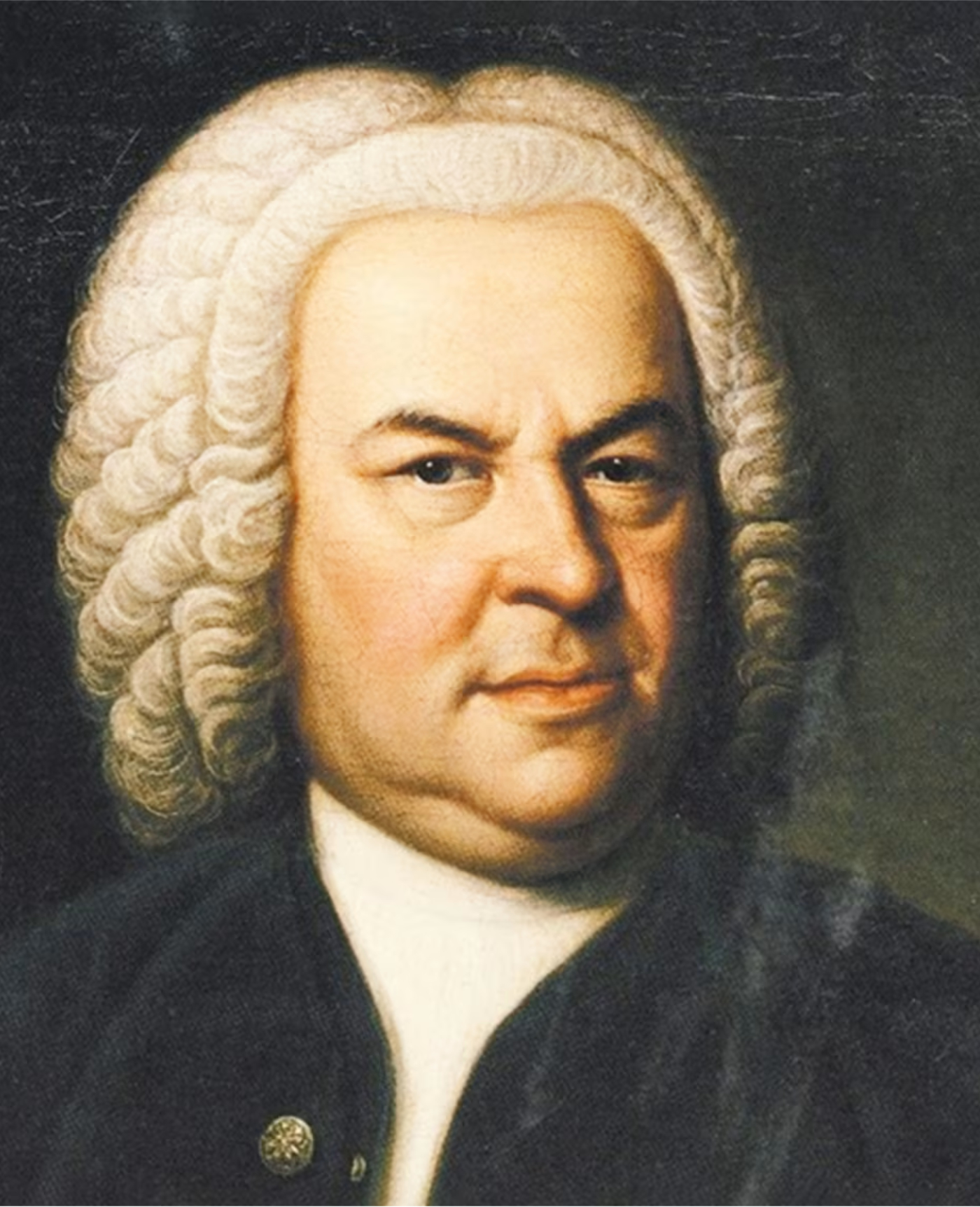
Handel was a man of the theater. He was a German who studied music in Italy and spent most of his life writing Italian operas in England. When theater audiences stopped buying tickets to Italian operas, Handel decided to compose oratorios instead and, in so doing, launched a successful new career. He had his finger on the public pulse. Handel was a man of the theater. Bach was a man of the church. He was a German Lutheran organist, composer and choir director who spent his life writing liturgical music for church services. He even set the whole text of the Catholic Mass in his great “Mass in B Minor.”
The “Sanctus” of that Mass begins with powerfully booming chords from both choir and orchestra on the words, “Sanctus, Sanctus, Sanctus Dominus, Deus Sabaoth. Holy, Holy, Holy Lord, God of power and might.” Angels and saints gathered around the throne of God sing praise to God’s glory. Back’s musical setting of the text here greatly emphasizes the power and might of God. The words are pounded out over and over again.
The next movement offers a dramatic contrast. This sharp contrast is typical of Baroque music. Each section or movement of a work deals with one basic affection. If the basic affection explored in the first movement of the Sanctus was almighty power, the basic affection explored in the second movement is deep joy. The choir sings with great polyphonic overlapping, “Pleni sunt coeli et terra gloria tua… Heaven and earth are full of your glory.” The next movement explores the basic affection of wild delight as choir and orchestra sing, again polyphonically, “Osanna, Osanna, Osanna.”
In contrast to this, we next explore reverent compassion as Jesus, represented by a solo recorder or violin obliggatto, comes riding on a donkey, entering Jerusalem on Palm Sunday and a tenor soloist sings, “Benedictus qui venit in nomine Domini…Blessed is he who comes in the name of the Lord” The choir responds by repeating and concluding with “Osanna, Osanna, Osanna.
This masterpiece of Baroque music is monumentally elaborate and emotional and prayerful. For, as big as it is, we sense that somehow God is in this gentle wind as well.
Handel’s music prays – in Baroque theatrical style, yes – but it prays. Bach’s music prays in Baroque liturgical style, yes – but it prays. God plays in many different gentle winds. And we listen. And we – who are also many and different – pray.